


Fintech in North Africa is rapidly evolving, driven by a combination of youthful, digitally savvy demographics, growing mobile phone penetration but uneven banking access, and governments that are looking to modernize the financial services industry.
The region, encompassing nations such as Algeria, Egypt, Morocco, and Tunisia, boasts approximately 270 million inhabitants, with around 55% of the population under the age of 30. However, financial service access remains limited for the majority. According to World Bank data, in 2024, 45% of Morocco’s population held a bank or similar account, a figure that declines to approximately 42% in Egypt, 39% in Tunisia, 35% in Algeria, and 32% in Libya.
Simultaneously, smartphone usage is experiencing exponential growth. In the broader Middle East and North Africa (MENA) region, smartphone subscriptions were estimated at 540 million in 2024, implying a penetration rate exceeding 60%, according to data from the World Bank and Statista. By 2030, this figure is projected to reach 710 million, highlighting the substantial potential for financial services delivered through digital platforms.

Regulatory developments are another significant catalyst for fintech growth. Initiatives such as the regulatory sandbox launched by the Central Bank of Egypt in 2019, and the mobile payment interoperability framework introduced by Morocco’s Bank Al‑Maghrib in 2018, are facilitating collaboration and fostering innovation. Concurrently, government efforts like Egypt’s ICT 2030 Strategy and Digital Morocco 2030 are establishing the groundwork for transforming these countries into leading digital hubs and bolstering their startup ecosystems.
Collectively, these developments are catalyzing a vibrant fintech ecosystem, propelling a new generation of ventures that are rapidly expanding, attracting investment, and reshaping pivotal sectors of the economy.
Today, we examine several noteworthy fintech startups from North Africa, emphasizing their value propositions, recent accomplishments, and future prospects. These ventures, encompassing both early-stage startups and established fintech firms, are transforming verticals such as payments, insurtech, and digital commerce, and are well worth watching in 2026.
Fintech Startups from North Africa to Follow
MNT-Halan (Egypt)
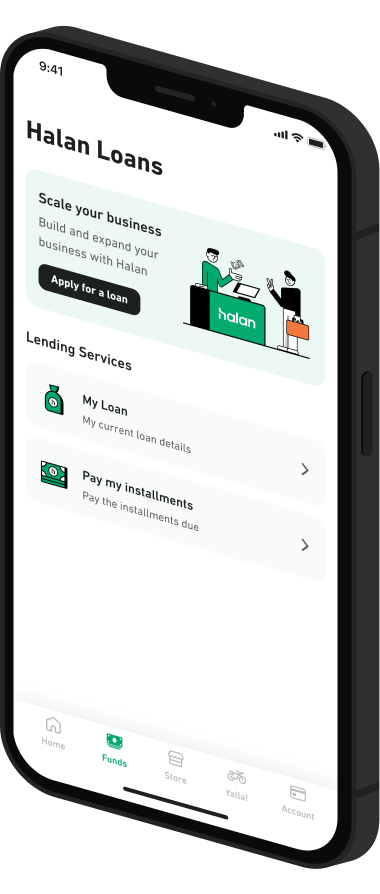
Founded in 2018 in Egypt, MNT-Halan is a fintech company aiming to transform access to financial services through technology. The company operates the Halan app and a nationwide physical network that delivers a range of products, including business and consumer loans, prepaid cards, e‑wallets, investment and savings options, and e‑commerce services.
Additional services include payroll lending with salary advances of up to 80% of wages, light‑vehicle financing, loan disbursement and collection via the Halan cash wallet, peer‑to‑peer (P2P) transfers, virtual card numbers for online purchases, bill payments, ATM cash‑in/out, and payroll disbursement.
On the commerce side, MNT-Halan runs a buy now, pay later (BNPL) e‑commerce platform with more than 4,000 partnered vendors, and provides a marketplace for home appliances, electronics, as well as fast moving consumer goods (FMCG) products.
The company reports serving more than 8 million customers across Egypt, Turkey, Pakistan, and the United Arab Emirates (UAE), and has disbursed over US$11 billion in loans. Its digital‑payment infrastructure processes roughly US $100 million in monthly throughput and generates about US$50 million in monthly sales.
Valued at US$1 billion, MNT‑Halan ranks among the MENA region’s fintech unicorns and is one of Egypt’s most valuable fintech companies. To date, the startup has raised US$550 million in funding.
Looking ahead, MNT‑Halan plans to grow its financing portfolio by about 40% in the coming year, targeting a total of US$4.5‑5 billion by the end of 2026, up from an estimated US $3.5 billion at the end of 2025. In an interview with Asharq in December 2025, Mounir Nakhla, Founder and CEO of MNT-Halan, said he intended to list the company on a regional stock exchange within the next 12‑18 months and aspired to achieve “decacorn” status with valuation exceeding US $10 billion within five to seven years.
MNT‑Halan is also developing a real‑estate fund, and the company is negotiating with several major real estate developers in Egypt. The negotiation seeks to include commercial buildings in its portfolio, with an initial capital of EGP 250 million for the first issuance, targeting a total fund value of EGP 2 billion.
MNT‑Halan’s massive scale and ambitious growth targets make it a top fintech company to follow this year.
Paymob (Egypt)
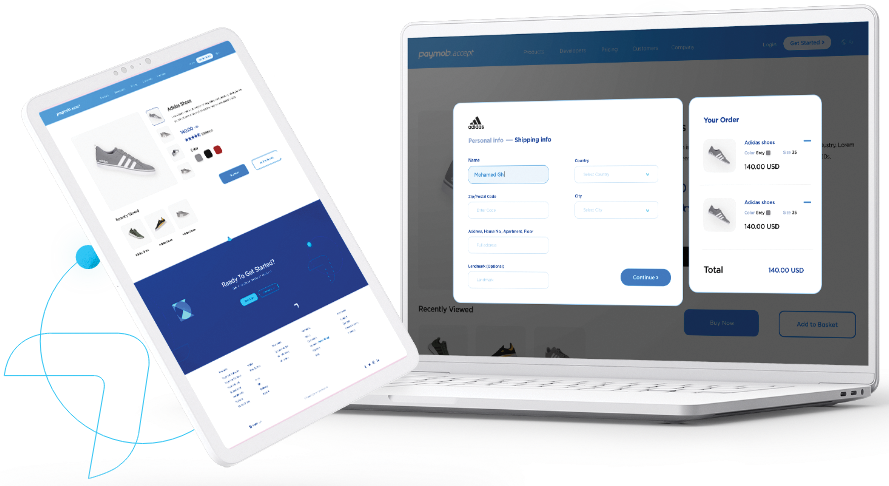
Founded in 2015 and based in Cairo, Paymob is a leading fintech company in the Middle East, North Africa, and Pakistan (MENA-P) region that builds payment infrastructure for businesses to access and manage digital payments. The company’s platform enables merchants to accept online and in‑store payments through more than 60 payment methods, including bank cards, mobile wallets, QR codes, and buy‑now‑pay‑later services. It also provides tools such as payment links, subscription billing, and APIs that allow companies to integrate secure payment capabilities directly into their websites and mobile apps.
For brick-and-mortar businesses, Paymob offers point-of-sale (POS) devices and soft POS technology that turns smartphones into payment terminals. These services are complemented with features such as fraud prevention, real‑time analytics dashboards, and mass payout solutions for disbursing funds to suppliers or partners.
Paymob claims it serves more than 390,000 small and medium-sized enterprises (SMEs) across Egypt, Pakistan, the UAE, and Saudi Arabia. The company is supported by high-caliber regional and global investors, including PayPal Ventures, Kora Capital, Clay Point Capital, Global Ventures, FMO, A15, British International Investment, Helios Digital Ventures, and Nclude.
In December 2025, Paymob announced two strategic collaborations. The first partnership with SIDEUP, an e-commerce enabler, aims to provide advanced digital payment channels and flexible installment options for SIDEUP customers. The second alliance with Robusta Technology Group (RTG) seeks to create a joint framework that blends Paymob’s payment infrastructure with RTG’s expertise in digital transformation, artificial intelligence (AI), and product development.
Paymob’s extensive payment infrastructure, growing user base, and prominent backers make it a key fintech startups to follow in 2026.
Khazna (Egypt)

Launched in 2020 and headquartered in Cairo, Khazna provides mobile‑based financial services designed for underserved and underbanked individuals, primarily in Egypt. The company’s app offers users access to tools and services such as digital payments, money transfers, bill payments, savings features, and cash withdrawals or deposits without traditional banking barriers. Users can also obtain a salary-advance feature that provides the next month’s salary when funds are insufficient.
Beyond basic transactions, Khazna positions itself as a broader financial ecosystem by offering microloans, POS financing options, and insurance services. Its goal is to function as a “financial super app” that replaces cash‑based interactions with convenient, smartphone‑driven solutions.
According to Forbes Middle East, Khazna has 100,000 users with main monthly payroll accounts, collaborates with over 400 commercial partners, and reaches about 500,000 end users in Egypt. In February 2025, the company closed a US$16 million pre-Series B funding round intended to support its pursue of a digital banking license in Egypt and expand its footprint in Saudi Arabia where it plans to secure several key partnerships.
Khazna’s rapidly expanding financial super‑app ecosystem, its freshly raised funding round, and growing user base, make it a compelling high-growth fintech startups to watch in 2026.
SehaTech (Egypt)

Founded in 2020 and based in Cairo, SehaTech is an insurtech startup aiming to streamline and automate health insurance administration through a full-stack, AI-centered platform. By automating the core workflows of approvals, claims and payments, the platform eliminates operational inefficiencies, reduces friction between insurers and healthcare providers, and curbs fraud and abuse.
SehaTech’s core services include a digital third-party administrator (TPA) service that manages policy workflows and claims administration on behalf of insurers or self-funded entities through its digital infrastructure; a software-as-a-service (SaaS) offering that allows insurance companies to use SehaTech’s technology to manage their own policies; and the SehaCash Discount Card, which provides individuals with access to healthcare at SehaTech’s provider network at reduced rates, without requiring full insurance coverage.
SehaTech closed a US$1.1 million Seed funding round in October 2025, bringing its total funding to US$2 million. The startup said it would use the proceeds to scale its team, enhance AI capabilities, and expand operations across Egypt and the wider Middle East and North Africa (MENA) region.
SehaTech’s fresh funding and ambitious expansion plan position it as a promising insurtech innovator that’s worth watching in 2026.
Chari (Morocco)
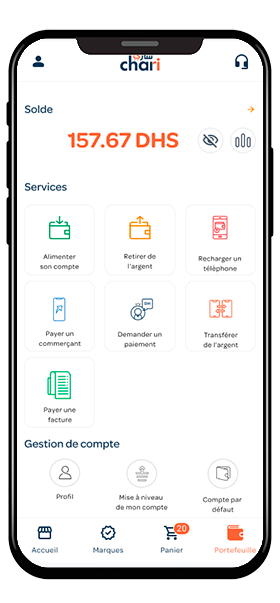
Founded in 2020 and headquartered in Bouskoura, Chari is a fintech and e‑commerce startup aimed at digitizing informal retail and advancing financial inclusion across Francophone Africa. The company provides retailers with embedded financial services, while also operating a digital marketplace for consumer goods.
Through the Chari mobile app, Chari allows merchants to order fast‑moving consumer goods (FMCG) from distributors for rapid delivery, and digitize cash‑heavy financial flows. They can also obtain instant working capital, and embed insurance and payment functionalities directly into their daily operations.
The company claims it has onboarded over 20,000 food businesses in Morocco, and has expanded into Tunisia and Ivory Coast.
Last year, it was granted a payment institution license by Bank Al-Maghrib, the country’s central bank, becoming the first venture-backed startup in Morocco to receive the permission.
This license allows Chari to offer a full suite of financial services to its existing user base of grocery stores, independent shop owners, retailers, and small and medium-sized enterprises (SMEs), including acquiring services via point-of-sale (POS) terminals and payment gateways, payment accounts, Moroccan IBANs, debit cards, domestic money transfers, international remittances, bill payments, e-government services, and micro-insurance products.
In October, Chari closed a US$12 million Series A. The round, which brought its total fundraising to US$17 million, will be used to scale its operations while developing two strategic verticals: a super‑app for merchants across Morocco and beyond, and a banking‑as‑a‑service (BaaS) platform for corporates and startups that wish to embed fintech solutions.
Chari’s rapid expansion in 2025, coupled with its fresh Series A, and growing merchant network, makes it a fast-growing fintech e-commerce platform worth following this year.
Flouci (Tunisia)
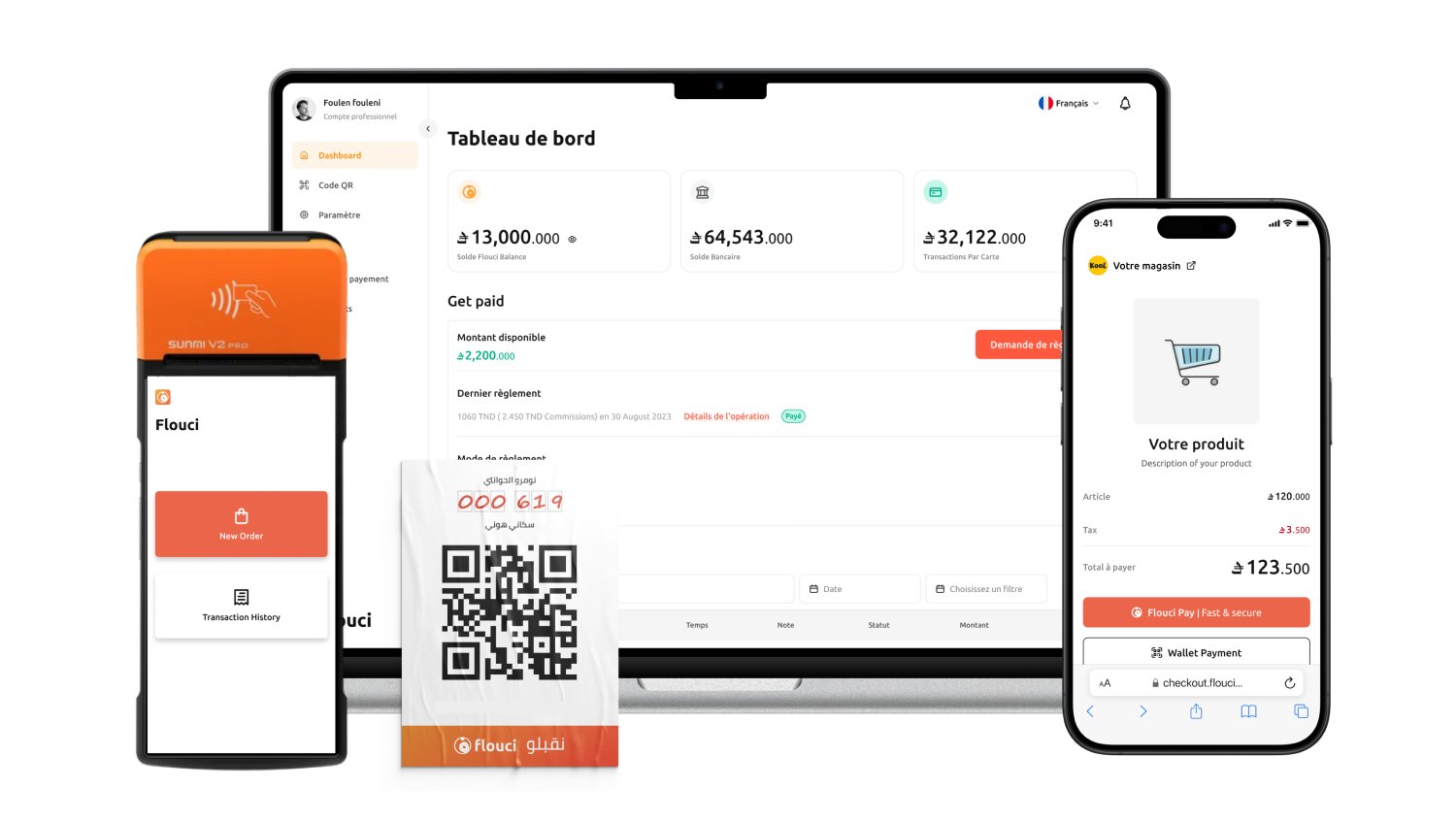
Flouci, operated by Kaoun, is a digital banking and financial super-app for francophone Africa that focuses on accessibility and convenience. It runs entirely online, allowing users to open an account, fund their wallet, and manage all financial operations directly from the app.
At its core, Flouci provides a free current account, a free savings account, and a wallet that can be funded via bank transfer, card, or eDinar. Users can send P2P transfers by phone number or name, schedule recurring transfers, and make instant payments online. Both physical and virtual Visa cards are available, and QR‑code payments are supported for e‑commerce and merchant terminals. Flouci’s ecosystem also includes lifestyle services such as charitable donations, mobile‑phone top‑ups for all Tunisian operators, and bill payments for utilities.
The Flouci app has attracted more than 200,000 downloads and over 250,000 active accounts. In May 2025, the company partnered with Orange Tunisia to enable instant mobile top‑up and Internet plan payments through the Max It application, extending its wallet functionality. The same year, Flouci was recognized in the 2025 Forbes Middle East’s Fintech 50 list, which showcased the region’s leading trailblazers in the digital financial services sector.
Flouci’s strong uptake, expanding ecosystem, and recognition among MENA’s hottest fintech startups make it a company poised to see continued momentum in 2026.
Featured image: Edited by Fintech News Middle East, based on image by superstarphoto and relineo via Freepik
