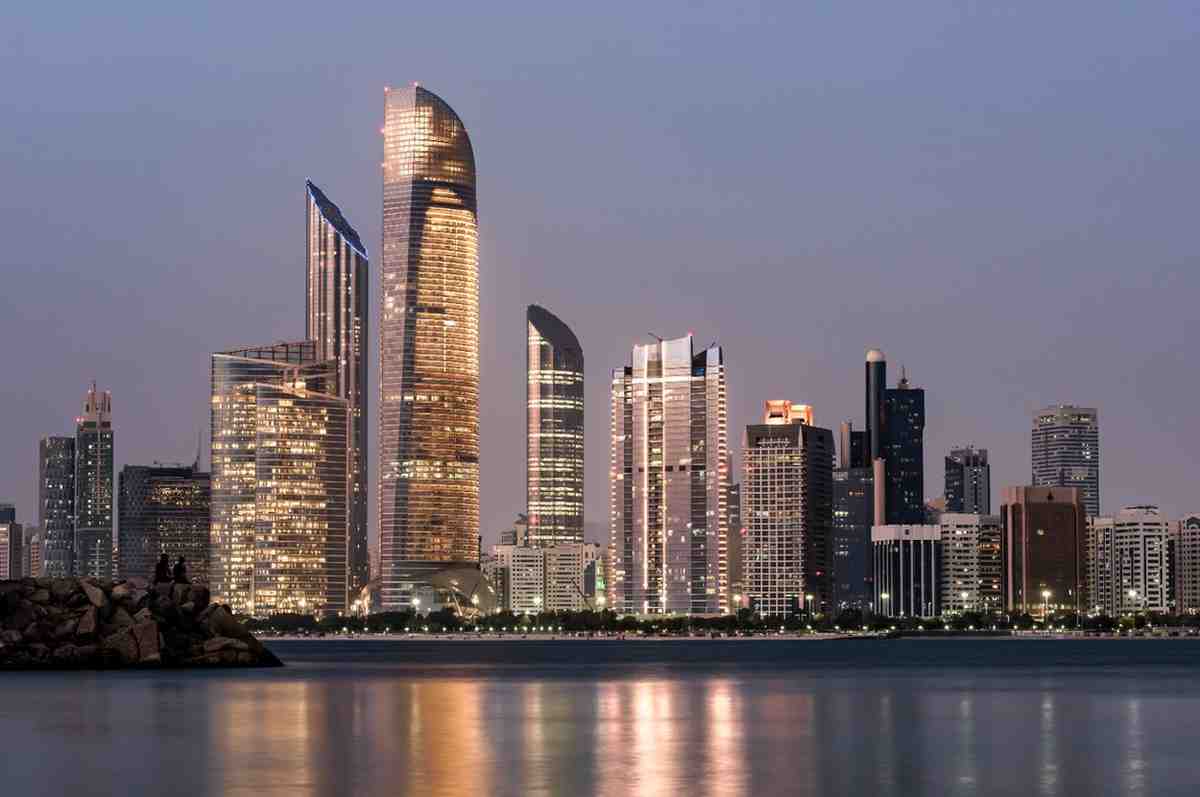




Abu Dhabi, the capital of the United Arab Emirates, has long been a magnet for expatriates drawn by tax-free salaries, world-class infrastructure, and a high standard of living. But beyond the gleaming skyscrapers and luxury malls lies a quieter aspiration shared by many expats: the desire for more space.
Whether you’re a growing family craving a garden, a remote worker needing a home office, or simply someone who values room to breathe, Abu Dhabi offers a surprisingly diverse range of spacious living options. This guide walks you through everything you need to know about finding and settling into a larger home in the UAE capital.
Why Expats Are Prioritizing Space in Abu Dhabi
The post-pandemic shift in lifestyle priorities has reshaped what expats look for in a home. Compact apartments in central districts no longer satisfy everyone. Families with children want outdoor play areas. Professionals working from home need dedicated office space. Pet owners want gardens. Abu Dhabi has responded to this demand with an expanding inventory of villas, townhouses, and larger apartments spread across well-
planned communities.

Compared to Dubai, Abu Dhabi often offers more square footage per dirham, making it an attractive proposition for expats who want space without completely sacrificing budget.
Understanding Abu Dhabi’s Residential Landscape
Before diving into neighborhoods, it helps to understand how Abu Dhabi’s housing market is structured. The emirate is divided between Abu Dhabi Island (the urban core), and a growing number of off-island communities that offer larger plots, quieter surroundings, and a more suburban feel.
On the Island: Areas like Al Khalidiyah, Al Mushrif, and Al Bateen offer larger apartments and some villa compounds. These neighborhoods appeal to expats who want proximity to schools, hospitals, and the city center without giving up on space entirely.
Off the Island: Communities like Khalifa City, Mohammed Bin Zayed City (MBZ), Al Reef, Al Shamkha, and Yas Island offer detached villas, semi-detached townhouses, and gated compounds with communal pools and parks. These areas have become increasingly popular with families looking for a quieter, more residential lifestyle.
Top Neighborhoods for Expats Seeking More Space
Khalifa City
One of the most established expat communities in Abu Dhabi, Khalifa City is known for its wide roads, large villa plots, and family-friendly environment. The area is popular with professionals working at Abu Dhabi International Airport and nearby free zones. International schools, supermarkets, and healthcare facilities are well within reach.
Al Reef
Al Reef is a master-planned community offering villas and apartments at relatively affordable prices compared to central Abu Dhabi. It’s divided into Al Reef Downtown (apartments) and Al Reef Villas (freehold and leasehold villas). The community features parks, a town center, pools, and cycling paths, making it ideal for active families.
Yas Island
Best known for Ferrari World and Yas Waterworld, Yas Island has quietly become one of Abu Dhabi’s most desirable residential addresses. Modern townhouses and villas here come with access to leisure facilities, a marina, and easy connectivity to the mainland. It’s particularly popular among younger expat families.
Renting vs. Buying: What Expats Need to Know
Renting
The majority of expats in Abu Dhabi rent rather than buy. The rental market is well- regulated, and contracts typically run for one year with rent paid via post-dated cheques (commonly one to four cheques per year). Larger villa communities often require fewer cheques, offering more financial flexibility.
For those actively exploring the market, browsing villas for rent in Abu Dhabi on Bayut is a practical starting point to compare options across neighborhoods, price points, and property sizes.
Buying
Since 2019, Abu Dhabi has opened freehold ownership to non-GCC nationals in designated investment zones. Communities like Al Reef, Yas Island, Saadiyat Island, and Al Raha Beach are among the most popular for expat buyers. Off-plan purchases from developers like Aldar Properties are also common, often offering flexible payment plans.
Key Costs to Factor In
Understanding the true cost of renting or buying a spacious home in Abu Dhabi helps avoid surprises:
- Annual Rent: A three-bedroom villa in Khalifa City typically ranges from AED
90,000 to AED 140,000 per year. Larger or more premium communities like Yas Island and Saadiyat Island command higher rates. - ADDC Deposits: The Abu Dhabi Distribution Company requires a refundable
security deposit for utilities — typically AED 1,000–2,000 for a villa. - Municipality Fee: Tenants pay a 5% municipality fee on annual rent, usually collected monthly through utility bills.
- Agent Fees: Typically 2–5% of the annual rent, though many listings are offered
directly by landlords. - Maintenance: In villa communities, landlords are typically responsible for structural maintenance, while tenants handle minor repairs.
Schooling and Family Considerations
For expat families, school availability often shapes the choice of neighborhood. Abu Dhabi has a strong network of international schools following British, American, IB, and other curricula. Key school hubs include:
- Al Mushrif / Khalidiyah: Home to several British curriculum schools
- Khalifa City / MBZ City: Proximity to schools following American and Indian curricula
- Yas Island / Al Raha: Well-served by newer international schools
Lifestyle and Community Amenities
Spacious living in Abu Dhabi isn’t just about square footage, it’s about the lifestyle that comes with it. Most villa communities offer:
- Communal pools and gyms
- Children’s play areas and parks
- Running and cycling tracks
- Retail and dining within the community
- 24-hour security
Practical Tips for Relocating Expats
1. Start your search early. Quality villas in popular communities get snapped up quickly, especially before the school year starts (August–September).
2. Work with a reputable agent. Look for agents registered with the Abu Dhabi Real Estate Centre (ADREC).
3. Visit in person before signing. Photos can be misleading, inspect the property for maintenance issues, water pressure, and AC performance.
4. Check ADDC connectivity. Ensure the property has active or easily transferable utility connections.
5. Review the Ejari (Tawtheeq) registration. All rental contracts in Abu Dhabi must be registered through the Tawtheeq system.
Frequently Asked Questions
Do I need a residency visa to rent a property in Abu Dhabi?
Most landlords require a valid UAE residency visa and Emirates ID to sign a lease. Some may accept an employment visa or short-term arrangements during processing.
Can I negotiate rent with my landlord in Abu Dhabi?
Yes, negotiation is standard. Offering fewer cheques often provides better leverage for lower rates or rent freezes.
How much notice must a landlord give before increasing rent?
Landlords must provide at least 90 days’ written notice before a rent increase at renewal.
Are pets allowed in Abu Dhabi villas?
Policies vary; while villas are generally pet-friendly, always confirm permissions in writing as certain breeds may be restricted by law.
What is the Tawtheeq system and is registration mandatory?
Tawtheeq is the mandatory registration system for rental contracts in Abu Dhabi, required for all official services and utility connections.
Is it possible to break a rental lease early in Abu Dhabi?
Early termination usually involves a two-month rent penalty, though terms must be agreed upon in the lease contract.
Featured image by wirestock on Magnific
