




In Dubai’s saturated e-commerce scene, Dream Draw LLC FZ is charting a slower, more intentional course.
While competitors lean on speed, scale, or aggressive discounts, Dream Draw has chosen a specific focus: perfume. The company’s product catalogue is narrow—fewer than a dozen scents—but carefully curated with regional preferences in mind. Blends featuring oud, rose, musk, and citrus-forward notes are prominent.
What makes Dream Draw notable isn’t a celebrity endorsement or global brand tie-in. It’s the decision to lead with a product that holds deep cultural weight in the Gulf, where fragrance is more than personal grooming—it’s an extension of public presence. Bottles such as Lavender Oud or Ocean Chill reflect a local understanding of scent as both everyday ritual and social signal.
“We didn’t want to be just another e-commerce site,”
said Malik Awan, the company’s Chief Operating Officer.
“Perfume gave us a direction that made sense – for the market and for the kind of experience we wanted to create.”
A Growing Market Meets Targeted Distribution
Fragrance sales in the Gulf Cooperation Council (GCC) reached $4.4 billion in 2023, according to Euromonitor International. The category is expected to continue growing, with online channels capturing an increasing share. While legacy brands dominate offline retail in malls and department stores, hybrid players like Dream Draw are reshaping the narrative.
Though the company began as a digital-first platform (www.dreamdraw.store), it now boasts six physical outlets in Dubai, with 10 more expected to launch by the end of the month across the UAE. Expansion into Saudi Arabia (3 outlets) and Qatar (2 outlets) is also underway, signalling a bold shift from niche digital player to a regionally scaled lifestyle brand.
Dream Draw’s perfumes are priced around AED 50 (~USD 14) and are positioned as daily luxuries. Rather than chasing mass-market pricing wars, the brand treats fragrance as a self-contained sensory experience—with minimalist packaging, rich scent descriptions, and promotions built around cultural holidays and traditions.
Rethinking Luxury for the Regional Buyer

Luxury in fragrance is often communicated through scale – flagship stores, glossy campaigns, and premium pricing. Dream Draw, by contrast, treats context as a form of value. Rather than importing Western tropes of exclusivity, the company aligns itself with regional fragrance norms, such as layering scents or gifting perfumes during religious and social events.
Awan notes that this was a deliberate choice.
“We wanted to start with products that already had emotional value for our customers. Perfume was the right place to build that relationship,”
he said.
While the company’s price points remain accessible, its presentation mimics higher-end retail, offering visual cohesion and thematic consistency. Fragrance names like Midnight or Pink Lady are matched with tailored color palettes and descriptive narratives, reinforcing the perception of thoughtfulness even at a lower cost tier.
Beyond the Checkout: Physical Testing and Customer Habits
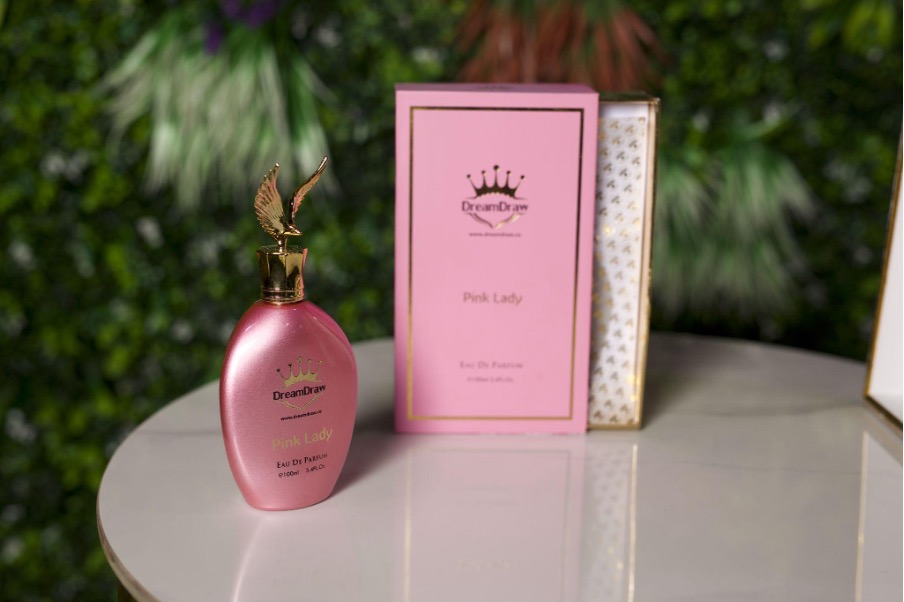
Although Dream Draw operates entirely online, there are signs it is preparing to expand its customer touchpoints. The company has publicly discussed fulfillment enhancements in the UAE and Bahrain and has explored the potential for pop-up sampling stations at events or high-footfall locations, though no formal launch date has been announced.
What remains consistent is the company’s effort to slow down the retail process. Unlike algorithm-heavy marketplaces that emphasize convenience and speed, Dream Draw’s shopping flow is designed to encourage discovery. Product pages focus less on urgency and more on helping buyers visualize how a scent might feel in their daily lives.
“We built the site to reflect how people shop for fragrance offline – by exploring,” Awan said. “That just doesn’t translate well when everything is rushed.”
Dream Draw’s choice to anchor its identity in perfume may not dominate headlines the way rapid growth metrics do. But in a region where scent holds social and symbolic meaning, its strategy is aligned with deeper consumer habits – ones less influenced by trends, and more by personal tradition.
Featured image by Dream Draw
