


Saudi Arabia’s fintech industry has expanded rapidly over the past years, rising from less than 100 ventures in 2021 to 281 fintech companies in H1 2025. Investment activity is also strong, with Saudi fintech companies securing SAR 905 million (US$241 million) in disclosed funding in 2024, bringing the total cumulative investment amount in the sector to SAR 7.9 billion (US$2.1 billion).
The expansion of the Saudi fintech ecosystem and steady capital inflows in the space are fueling job creation. Employment in Saudi Arabia’s fintech sector now stands at 11,046 direct jobs, up 64% year-over-year (YoY). This underscores the sector’s role as a key driver of high-value job creation, and its growing contribution to Saudi Arabia’s economy.
Within this burgeoning landscape, several companies are emerging as leaders, gaining significant traction, and attracting backing from prominent partners. These ventures, which span verticals including alternative finance, payments, and business banking, reached key milestones in 2025, positioning them for continued growth in 2026.

Saudi Fintech Startups to Follow in 2026
Tabby
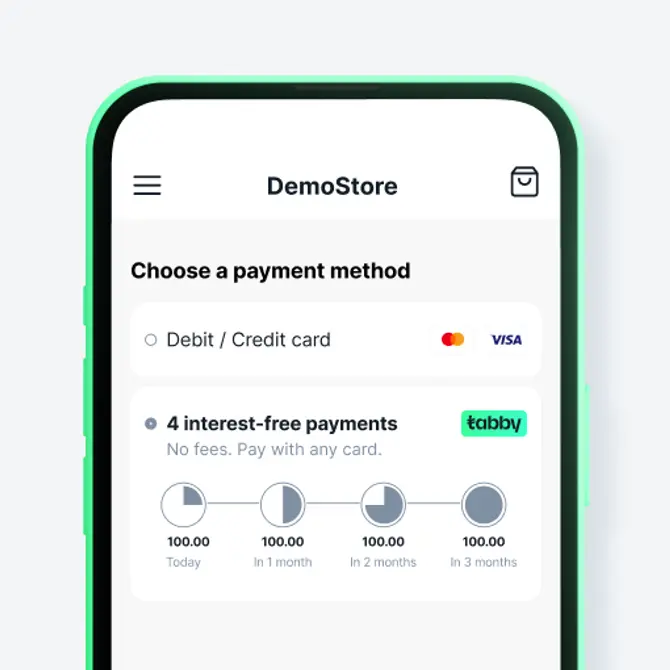
Founded in 2019, Tabby is a fintech company headquartered in Riyadh that operates a buy now, pay later (BNPL) platform, allowing customers in Saudi Arabia, the United Arab Emirates (UAE), and Kuwait to split purchases into interest-free payments across more than 40,000 global brands and small businesses. The company also offers Tabby Card, a payment card, Tabby Shop, a shopping assistant, and Tabby Care, a buyer protection program.
Tabby clocks more than 15 million registered users and claims an annualized sales volume of over US$10 billion. The startup is valued at US$4.5 billion, making it the most valuable fintech venture in the Middle East. It secured its last round in February 2025, raising US$160 million in a Series E to accelerate the expansion of its financial services, including digital spending accounts, payments, cards, and money management tools.
Tabby is now reportedly preparing for its upcoming initial public offering (IPO) while continuing to expand its foothold with a new partnership with Shahbandr, a software-as-a-service (SaaS) e-commerce platform from Saudi Arabia that serves over 20,000 stores.
Hala
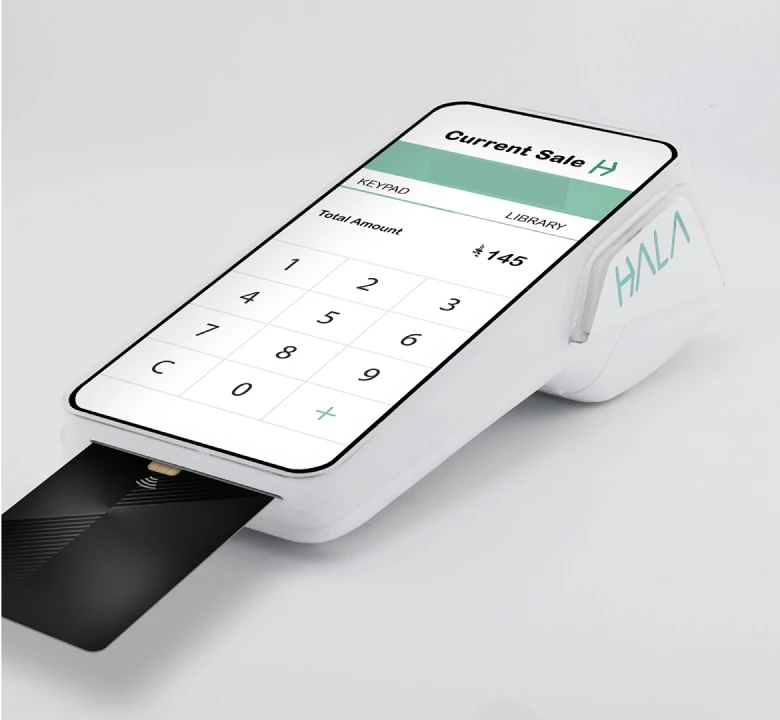
Hala is a Saudi-based fintech platform founded in 2016 that provides business banking services, including accounts, cards, payment and transfer services, expense management, point-of-sale (POS) solutions, and financing. The company currently serves over 150,000 small and medium-sized enterprises (SMEs), corporates, and freelancers, processing more than US$8 billion of annual transactions.
Hala, which is building a next-generation bank for SMEs to manage all aspects of their finances, closed a US$157 million Series B in September 2025 to offer more financial services, lending products catered to micro businesses and freelancers, as well as to expand its presence regionally.
This investment followed Hala’s remarkable year-on-year (YoY) growth. Sales rose 60% in 2024 and were estimated to grow by another 40%-50% in 2025, Maher Loubieh, CEO of Hala, told Forbes in September 2025. That has enabled the business to break into profitability.
Recent initiatives include a move into embedded finance, enabling SMEs to offer BNPL facilities to customers, and into revenue-based lending.
Erad
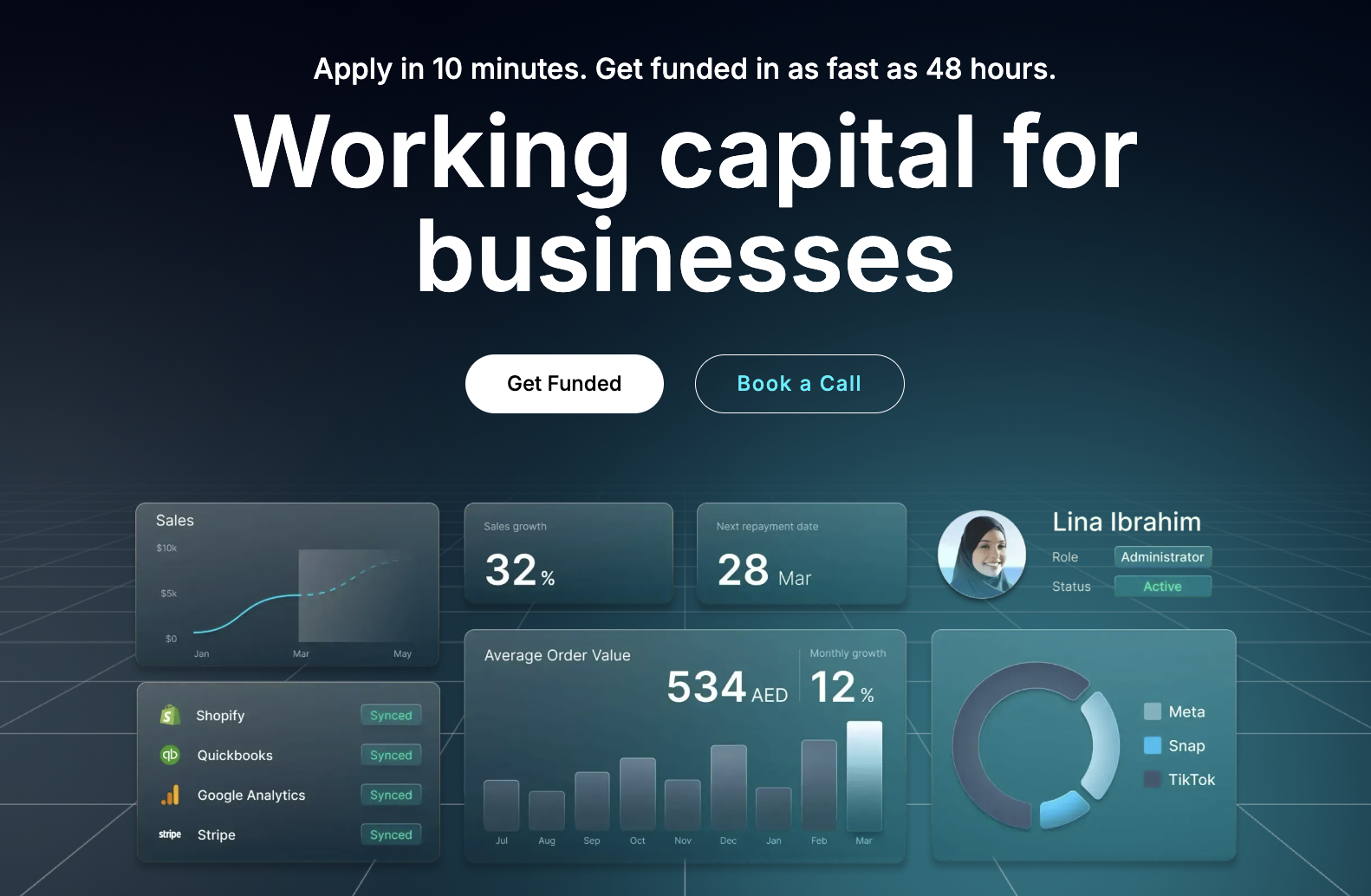
Founded in 2022 and based in Riyadh, Erad provides Sharia-compliant financing and a full-stack financial operating system for SMEs in the Middle East. The company focuses on offering flexible capital products that grow with businesses, particularly for founders in traditional or digital sectors who lack access to suitable financing. It offers a 48-hour approval process, and aims to address the estimated US$250 billion SME credit gap in the Gulf Cooperation Council (GCC).
In 2025, Erad said it saw a strong sixfold YoY growth and over US$700 million in funding requests across Saudi Arabia and the UAE. Overall, the startup claims it has approved over US$50 million in funding for businesses spanning retail, food and beverage (F&B), healthcare, and e-commerce since its inception.
In November 2025, Erad secured US$125 million in a credit deal to grow its presence in Saudi Arabia, and expand into multiple sectors and products, including embedded finance products, enabling suppliers and business platforms to offer integrated financing at the POS. The deal built on Erad’s US$33 million debt financing round led by Stride Ventures earlier that year.
Tarmeez Capital

Tarmeez Capital is a Saudi-based fintech company that specializes in Sharia-compliant financing solutions. The company offers innovative and flexible financing products that support business growth and real estate projects, including working capital financing, project financing, capital asset financing, progress payment financing, and more.
For investors, Tarmeez Capital allows institutional and retail investors to access Sharia-compliant Sukuk products, supporting investments as low as SAR 1,000 (US$267) with a sign-up process of under two minutes. Sukuk is a form of bond that complies with Islamic laws and prohibit the charging or paying of interest. Tarmeez Capital claims its technology allows for Sukuk issuance up to seven times faster than traditional channels.
To date, Tarmeez Capital claims it has facilitated over SAR 2 billion in financing programs, serving 180,000 registered users on its app. Over the last year alone, the company said it saw Sukuk issuances grow by 459%.
In July 2025, Tarmeez Capital received an investment from Saudi Arabian telecommunications company STC Group. The investment marked the company’s transition from a successfully bootstrapped venture to one backed by a major national investor. Tarmeez Capital said it would use the proceeds to scale its platform, broaden its offerings, and deliver advanced financial solutions across the Saudi market.
SiFi
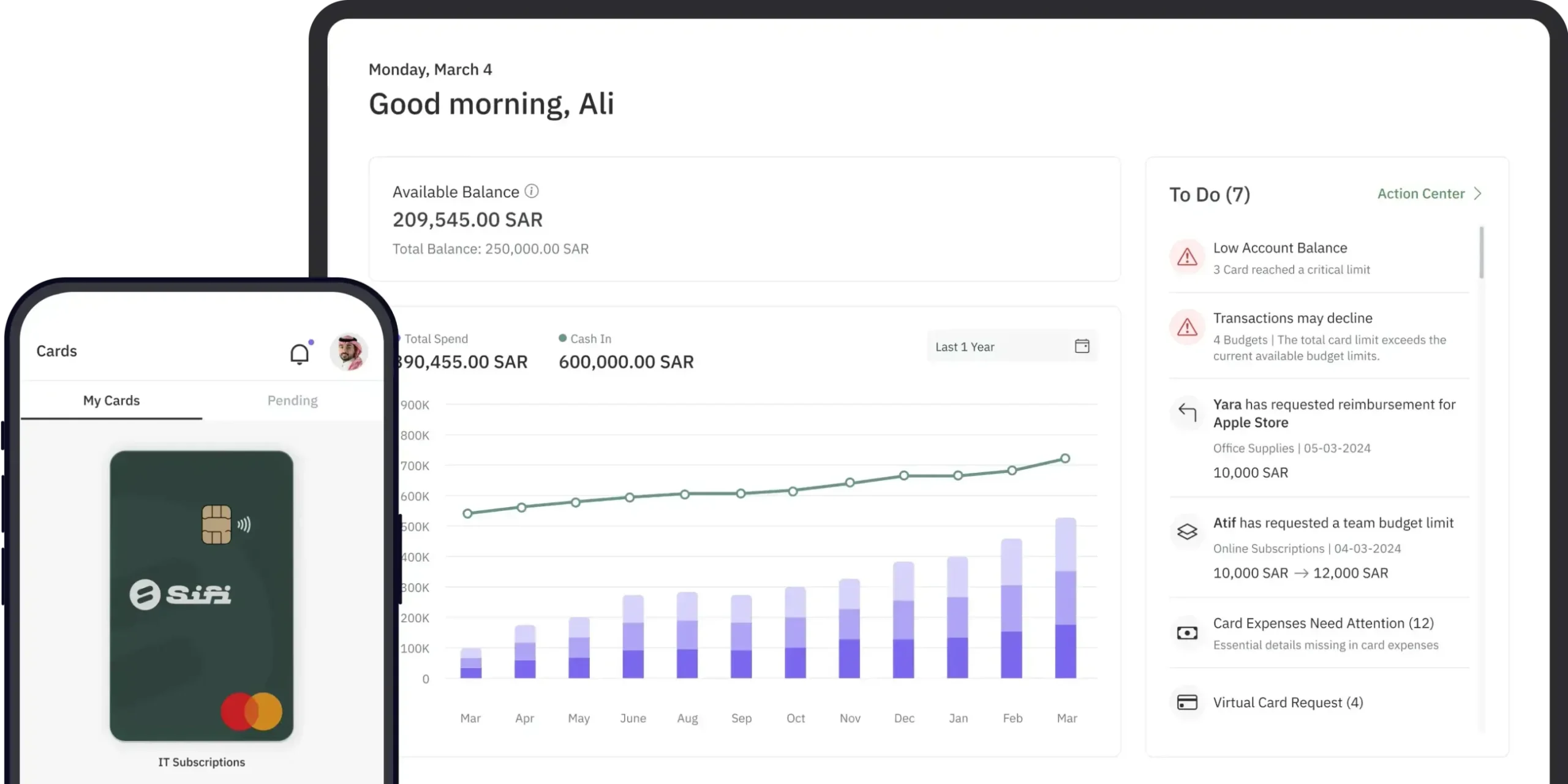
Founded in 2021 and headquartered in Riyadh, Simplified Financial Solutions Company (SiFi) is a spend management platform designed to provide finance teams with seamless control over corporate spending. The platform combines corporate cards, automated expense management, and vendor payments into a single solution that empowers organizations to gain real-time visibility, enforce spending policies, and ultimately simplify finance.
SiFi reported more than fivefold growth in total payments volume in under a year and said its platform is now used by over 3,500 organizations, including private sector firms and government entities. In February 2026, it raised US$20 million in a Series A funding round to expand its market presence, enhance artificial intelligence (AI)-powered capabilities for finance teams, and add new workflows as it develops toward a full-suite finance management platform.
The Series A followed a US$10 million seed round and brought SiFi’s total funding to more than US$34 million.
Stitch

Founded in 2022 and based in Riyadh, Stitch is a financial infrastructure platform dedicated to simplifying how businesses build and operate financial products. The platform allows banks, fintech companies, and non-financial enterprises to build, launch, and scale banking and payment products, including lending, cards, wallets, and deposits, consolidating essential functions like onboarding, know-your-customer (KYC), ledgers, and transaction monitoring, into one cohesive platform.
Stitch claims it reduces implementation time by 80%, enabling institutions to go live in as little as 90 days, compared to the 9-12 months typically required by traditional providers. The company, which operates across Saudi Arabia and the UAE, claims more than 270,000 customers, with major clients that include Lulu Exchange, Alamoudi Exchange, Foodics, Dar Al Tamleek, and Tanmeya Capital.
In May 2025, Stitch closed a US$10 million seed round to grow its team, improve its tech, and deepen its regional reach. The startup is also expanding into East Africa, starting with Kenya.
Featured image: Edited by Fintech News Middle East, based on image by zalangri via Freepik
